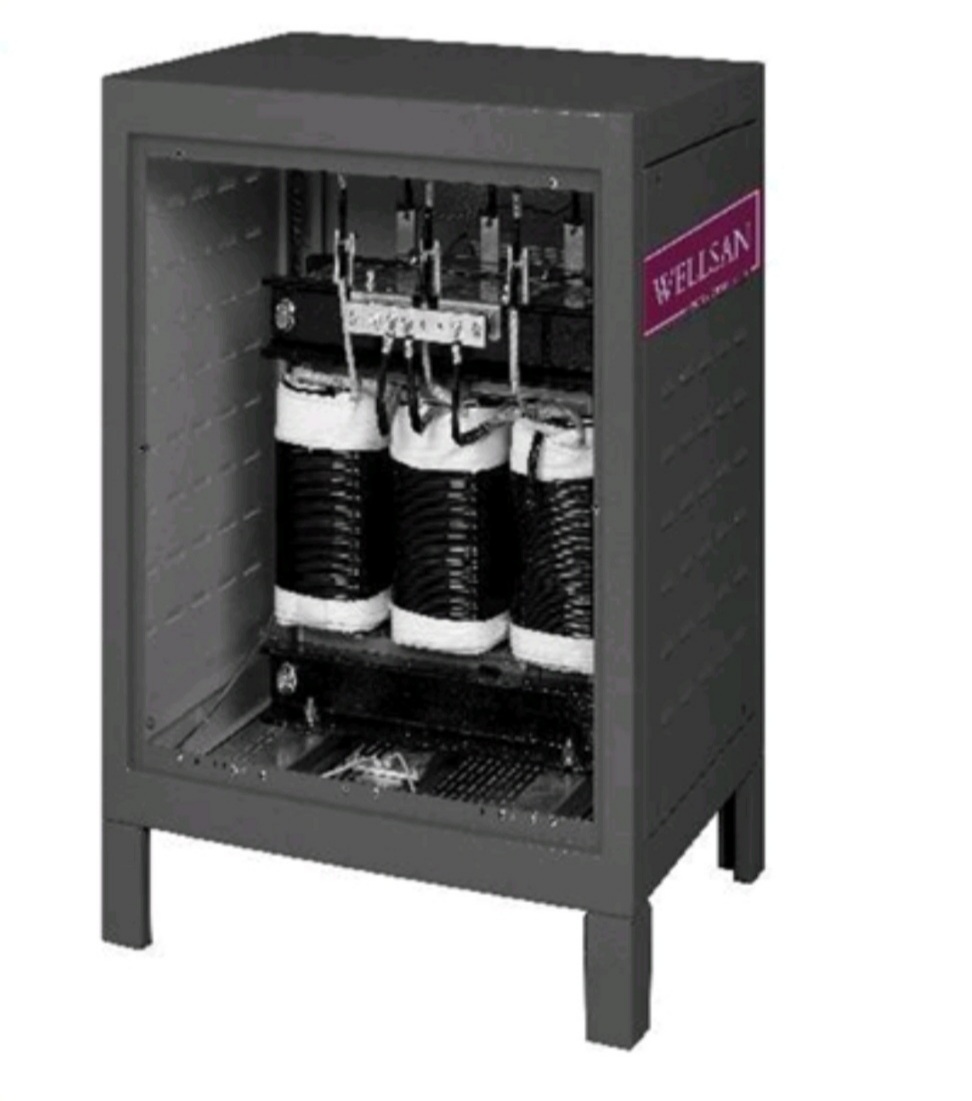
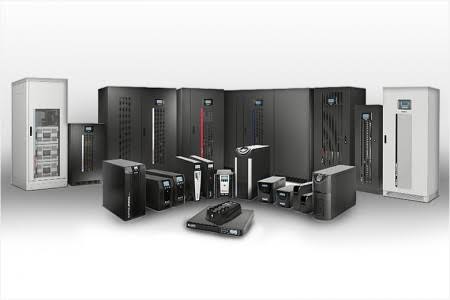
UPS Systems
UPS (Uninterruptible Power Supply) systems play a crucial role in protecting sensitive medical equipment from power outages and electrical voltage fluctuations.
💫 Importance of UPS Systems in Protecting Medical Equipment:
Read More
1. Protection from Power Outages: UPS systems provide backup power in the event of a power outage, ensuring that medical equipment continues to operate without interruption.
2. Protection from Electrical Voltage Fluctuations: UPS systems protect medical equipment from electrical voltage fluctuations, preventing damage or malfunction.
3. Protection from Electrical Shocks: UPS systems protect medical equipment from electrical shocks, preventing damage or malfunction.
4. Ensuring Continuous Operation: UPS systems ensure that medical equipment continues to operate without interruption, allowing hospitals and healthcare facilities to provide uninterrupted medical services.
5. Data Protection: UPS systems protect medical data from loss or corruption in the event of a power outage or electrical voltage fluctuations.
💫 Types of UPS Systems Used in Medical Facilities
1. Linear UPS Systems: Used to provide backup power for sensitive medical equipment.
2. Non-Linear UPS Systems: Used to provide backup power for medical equipment that requires a stable electrical voltage.
3. Modular UPS Systems: Used to provide backup power for medical equipment that requires a high electrical voltage.
💫 Requirements for UPS Systems in Medical Facilities:
1. Power Capacity: UPS systems must be able to provide sufficient power for medical equipment.
2. Electrical Voltage Stability: UPS systems must be able to provide a stable electrical voltage for medical equipment.
3. Fast Response Time: UPS systems must be able to respond quickly to power outages or electrical voltage fluctuations.
4. Safety: UPS systems must be designed with safety features to ensure safe operation in medical facilities.